
Home / Dräger / Gas Detectors / Dräger Pac 8000 Single Gas Detector
Genuine Parts for Saudi IndustryDräger Pac 8000 Single Gas Detector
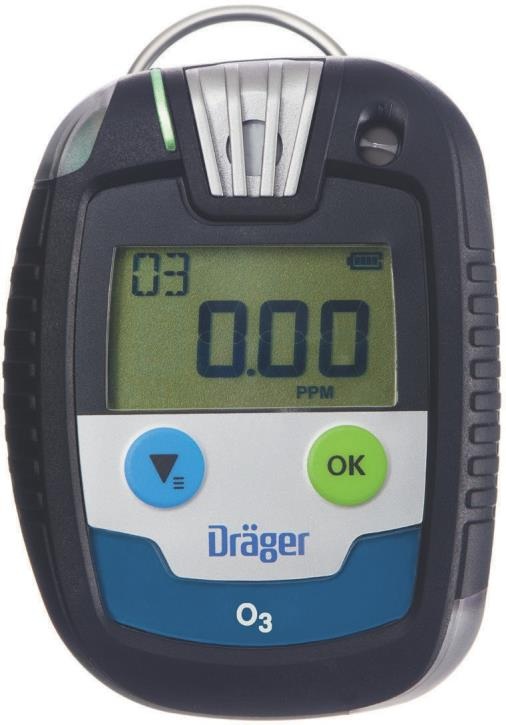
Most personal detectors stop at H2S, CO and oxygen. The Dräger Pac 8000 goes further. It is a portable gas detector for the less common toxic gases, such as chlorine, ammonia, hydrogen, nitrogen dioxide and phosphine, in the same small, tough body as the rest of the Pac family.
We supply the Pac 8000 to water plants, chemical sites, fertiliser and food plants, and grain and port operators across Saudi Arabia. Tell us which gas you need to watch, and we will confirm the right sensor, price and delivery.
Competitive Pricing
Genuine products, fair market rates
Fast Quotations
Clear stock & lead-time answers
Delivery Across Saudi Arabia
Riyadh, Eastern Province, Jeddah and beyond
Product Overview
What the Dräger Pac 8000 Is, and Who It Suits
Every plant has its own hazards. A water treatment works handles chlorine. A cold store or fertiliser plant runs on ammonia. Grain silos and ports fumigate with phosphine. Battery rooms and some process units produce hydrogen. A standard four gas monitor will not warn about any of these. The Pac 8000 was made for exactly these gaps.
Each Pac 8000 is fitted with one sensor for one gas, chosen from a wide range. Besides the gases above, Dräger offers versions for hydrogen cyanide, ozone, carbon dioxide, organic vapours and high-range H2S and CO, among others. Because the sensor is changeable, the detector can be reused if your hazard changes later. You may also see it listed as Draeger Pac 8000 or as a Drager gas detector. It is the same instrument.
Like the other Pac models, it is built for daily wear. It is small, sealed against dust and water, and has a loud alarm, bright lights and a vibration alert. The Pac 8000 adds a data logger on top of the usual event log, so you can see how exposure changed over a shift, which is useful for industrial hygiene surveys and incident reviews.
If your main hazard is H2S or carbon monoxide, the Pac 6000 or Pac 6500 is usually simpler and cheaper. If you need to watch several gases at once, choose a multi gas detector. The Pac 8000 is the right answer when there is one specific toxic gas that the usual detectors do not cover.
Choosing the right sensor matters more here than with any other Pac model, because each special gas has its own range, response time and cross-sensitivities. Before we quote, we ask what the gas is, where it comes from, and what exposure limit your company or client works to. That short conversation avoids buying a detector that alarms too late or too often.
Need a Dräger Pac 8000 price in Saudi Arabia?
Request a QuoteKey Features
Why Plants Choose This Portable Gas Detector
- Wide sensor range for special toxic gases that standard monitors miss
- Replaceable sensor and battery, so the detector can be reused or switched to another gas
- Data logger and event log for exposure records and incident reviews
- IP68 housing for wet, dusty and outdoor areas
- Loud alarm, bright lights and vibration alert
- Small and light enough to wear on a collar or chest pocket all shift
- Works with Dräger bump test stations
- Approved for use in potentially explosive areas (check the exact marking on the datasheet)
Specifications
Dräger Pac 8000 Technical Specifications
| Specification | Value |
|---|---|
| Gas (one per unit) | Cl2, NH3, H2, NO2, PH3, HCN, O3, CO2, organic vapours, high-range H2S and CO, and others |
| Detector type | Personal single gas detector, reusable |
| Sensor | User-replaceable Dräger XXS sensor |
| Battery | User-replaceable |
| Measuring ranges | Depend on the sensor fitted, see datasheet |
| Ingress protection | IP68 |
| Alarms | Audible, visual and vibration, adjustable alarm levels |
| Data | Data logger and event logger, read out with Dräger PC software |
| Testing | Bump test with the matching test gas or a Dräger bump test station |
| Hazardous area approval | See datasheet for the exact marking |
Versions
Gas Versions
The Pac 8000 is ordered by gas. These are the versions we are asked for most in Saudi Arabia. Other sensors are available, so if your gas is not listed, ask us. Larger orders can mix versions on one quote.
| Model | Part No. | Gas | Status |
|---|---|---|---|
| Cl2 version | Chlorine | Water treatment, desalination, pools | Available to Order |
| NH3 version | Ammonia | Cold stores, fertiliser and food plants | Available to Order |
| H2 version | Hydrogen | Battery rooms, process units, labs | Available to Order |
| NO2 version | Nitrogen dioxide | Engines, blasting, tunnels, parking areas | Available to Order |
| PH3 version | Phosphine | Grain fumigation, silos, ports | Available to Order |
| HCN version | Hydrogen cyanide | Mining, metal treatment, chemical plants | Available to Order |
Applications
Where It Is Used in Saudi Arabia
Water & Desalination
A chlorine gas detector for operators at water treatment and desalination plants, where chlorine is stored and dosed every day.
Cold Stores & Food Plants
An ammonia gas detector for refrigeration plant rooms in dairies, meat plants and cold storage warehouses.
Grain, Ports & Fumigation
The phosphine version protects staff working around fumigated grain, silos and shipping containers.
Chemical & Fertiliser Plants
Personal protection for operators handling ammonia, chlorine, hydrogen and other process gases in Jubail and Yanbu.
Power & Battery Rooms
The hydrogen version warns of hydrogen build-up from large battery banks in substations, data centres and telecom sites.
Tunnels & Underground Parking
The NO2 version watches diesel exhaust in tunnels, construction sites and enclosed car parks.
Why Choose Instrubiz
Supply & Delivery in Saudi Arabia
Genuine Products
We supply genuine brand-name instruments and safety equipment, with the correct part numbers confirmed before you order.
Clear Lead Times
Availability varies by product and quantity. We give you a clear lead time with every quote and support urgent shutdown needs.
Delivery Across the Kingdom
We deliver to sites in Riyadh, the Eastern Province (Dammam, Al Khobar, Jubail), Jeddah and other regions of Saudi Arabia.
FAQ
Dräger Pac 8000 Questions We Get Asked
Which gases can the Dräger Pac 8000 detect?
One gas per unit, chosen from a wide range. Common choices are chlorine, ammonia, hydrogen, nitrogen dioxide, phosphine and hydrogen cyanide. Versions for ozone, carbon dioxide, organic vapours and high-range H2S and CO are also available. Tell us your gas and we will confirm the sensor.
How much does the Dräger Pac 8000 cost in Saudi Arabia?
It depends on the sensor, the quantity and the delivery city. Special gas sensors vary in price, so send us the gas and quantity and we will reply with a quote in Saudi riyals and a lead time.
Do you supply gas detectors in Saudi Arabia, or ship from abroad?
We supply gas detectors to customers across Saudi Arabia and handle the order from quote to delivery. We confirm availability and the lead time to your site with every quote, so you know what to expect before you order.
What is the difference between the Pac 8000 and the Pac 6500?
The Pac 6500 covers the common gases: H2S, CO, O2 and SO2. The Pac 8000 covers special toxic gases that the 6500 cannot, and adds a data logger. If your hazard is H2S or CO, the 6500 is usually the better value.
Can I change the gas later?
Yes. The sensor is replaceable, so a Pac 8000 can be fitted with a different sensor if your hazard changes. The new sensor needs to be set up and calibrated, which we can advise on.
Which detector do I need for a chlorine or ammonia leak?
For people working near chlorine dosing or ammonia refrigeration, a personal chlorine gas detector or ammonia gas detector such as this one gives each worker their own alarm. Many plants also install fixed detectors at storage and dosing points. The two work best together.
How does a gas detector sensor work?
The Pac 8000 uses electrochemical sensors. The target gas reacts inside the sensor and creates a tiny electrical current. The stronger the gas, the higher the current, and the detector turns that into a ppm reading and triggers the alarm at the set level.
How often does the sensor need replacing?
It depends on the gas and on how the detector is used. Many sensors last several years, while some special gas sensors have a shorter life. The detector tells you when calibration or a sensor change is due.
Is it approved for hazardous areas?
Yes, it is approved for use in potentially explosive atmospheres. Check the exact marking on the datasheet against your site rules, and we can confirm it before you order.
Do you deliver across Saudi Arabia?
Yes, to Riyadh, Dammam, Al Khobar, Jubail, Yanbu, Jeddah and other cities. Lead time depends on the sensor and quantity, and we confirm it with every quote.
Request Pricing & Availability
Request a Quote for the Dräger Pac 8000
Send us the gas version, quantity and delivery city. We reply with pricing, availability and lead time.
- We confirm the part number and gas version
- We send pricing and current availability
- We confirm the delivery timeline to your site
Prefer to reach us directly?